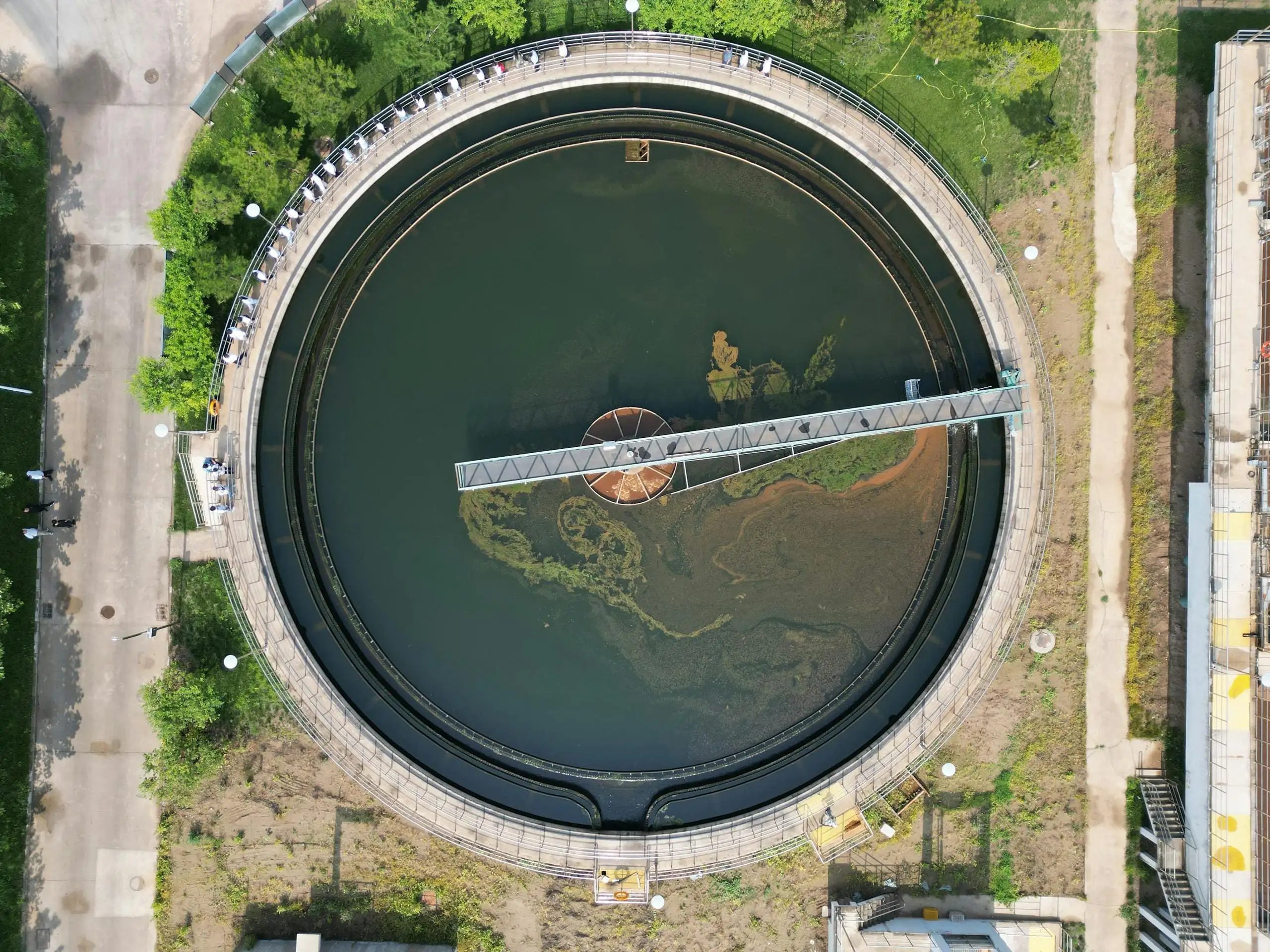
Water and Wastewater Utility Penetration Testing
A cyberattack on a water system can quickly become a public health emergency. Better an engineer on your side finds the path first.
Water Sector Expertise
Legacy OT, modern IT, and internet-connected remote monitoring create underexamined attack surfaces. Our engineers know the SCADA and ICS protocols, architectures, and constraints of water treatment and distribution.
Human-Led, AI-Augmented
Certified penetration testers lead every engagement. AI tooling accelerates reconnaissance across OT and IT; humans chain the exploits and prove impact.
Compliance-Ready Reporting
Aligned with EPA cybersecurity guidance, America’s Water Infrastructure Act (AWIA), NIST SP 800-82, NIST SP 800-115, and ICS-CERT best practices, with findings mapped to the controls your regulators and assessors require.
Raxis Attack PTaaS
Continuous penetration testing as a service, with on-demand assessments and real-time visibility in the Raxis One portal as upgrades, remote access, and vendor connections change your attack surface.
SCADA and ICS
The platforms controlling pumps, valves, chemical dosing, and treatment processes, tested for misconfigurations, insecure remote access, unpatched firmware, and network-level flaws that could manipulate physical processes.
The IT/OT Boundary
The most exploited path in water sector breaches. We assess network segmentation, firewall configurations, DMZ architecture, and remote access controls.
Remote Telemetry
Remote telemetry units and monitoring platforms for pump stations, storage tanks, and distribution assets, tested for insecure communications, weak authentication, and unauthorized access to field devices.
Human Machine Interfaces
HMIs give operators direct control over treatment and distribution. We assess known vulnerabilities, insecure configurations, and network exposure.
Corporate IT Networks
Billing systems, customer portals, email infrastructure, and administrative networks are the most common ransomware entry points. We find the foothold first, so you can close it.
Vendor Remote Access
Equipment vendors, system integrators, and managed service providers are among the most exploited entry points in water sector attacks. We evaluate VPN configurations, jump server security, and vendor access controls.
Why Raxis for Water Utility Penetration Testing
Certified OT Testers
OSCP, GPEN, GWAPT, and other credentials, plus hands-on experience in OT, ICS, and SCADA environments and the safety requirements of water infrastructure.
Non-Disruptive Testing
Treatment and distribution can’t go offline. Detailed rules of engagement come first, and every assessment runs coordinated so public water service is never disrupted.
AI-Augmented Coverage
AI-powered tooling accelerates discovery across legacy OT and modern IT. Certified testers validate and manually exploit what the tools surface.
EPA and AWIA Reporting
Prioritized remediation in the Raxis One portal, mapped to EPA cybersecurity guidance, AWIA requirements, and NIST frameworks. Engineers get clear steps; regulators get their documentation.
The Raxis Transporter
Proprietary Transporter hardware deploys on-site at remote facilities for thorough internal testing without an engineer at every pump station.
Continuous Coverage
Annual tests leave gaps. Raxis Attack delivers continuous penetration testing as a service, on-demand testing when systems change, and real-time visibility through the Raxis One portal.
FAQ: Water and Wastewater Utility Penetration Testing
What is water utility penetration testing?
A hands-on simulated attack against the systems that treat and deliver water: SCADA and ICS platforms, HMIs, remote telemetry units, the IT/OT boundary, corporate networks, and vendor remote access. The goal is to find the path a nation-state actor, ransomware operator, or hacktivist would take before they do, in a sector where a breach can become a public health emergency.
Will testing disrupt water treatment or distribution?
No. Detailed rules of engagement come first, OT testing favors passive reconnaissance and safe techniques, and every assessment is coordinated with your operators so public water service is never interrupted.
What systems does Raxis test for water utilities?
SCADA and ICS controlling pumps, valves, chemical dosing, and treatment; HMIs; remote telemetry and monitoring for pump stations, tanks, and distribution assets; network segmentation, firewalls, and DMZ architecture at the IT/OT boundary; billing systems, customer portals, and email; and the VPNs, jump servers, and access controls used by vendors and integrators.
Does Raxis testing support EPA and AWIA requirements?
Yes. Testing aligns with EPA cybersecurity guidance, America's Water Infrastructure Act (AWIA), NIST SP 800-82, NIST SP 800-115, and ICS-CERT best practices. Findings are mapped to the controls your regulators and assessors require and delivered in the Raxis One portal.
How does Raxis test remote pump stations and treatment sites?
The proprietary Raxis Transporter deploys on-site for thorough internal testing without an engineer at every facility. Utilities whose remote access and vendor connections change often move to Raxis Attack for continuous coverage.
What certifications do Raxis penetration testers hold?
OSCP, GPEN, GWAPT, and more, listed on our certifications page.