

Written by Scottie Cole
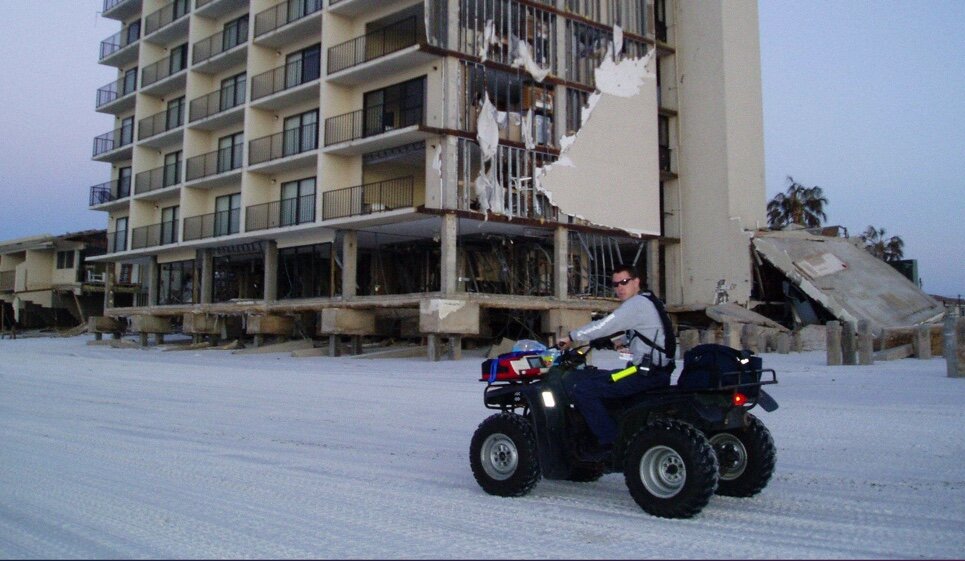
As someone who has lived through several hurricanes and worked as a first responder for years, my heart breaks for our neighbors on the Gulf Coast and inland areas who are now assessing the damage from Hurricane Ida. For those who haven’t experienced it, devastation doesn’t begin to describe the aftermath of such a powerful storm.
While we hope and pray for the people who were in the storm’s path, I want to offer a few tips from the cybersecurity career I’ve pursued since leaving emergency services work 16 years ago:
- Scammers strike when we’re most vulnerable. Don’t let your guard down now.
- Be mindful of what you post on social media. Giving too much personal information could lead to identity theft or give a criminal the location of your home you just evacuated. Provide personal information only to valid sources like FEMA, the Red Cross, and your insurance companies.
- Be on high alert for phishing emails disguised as aid requests. Legitimate rescue personnel (volunteer or professional) will never ask for money. Donate to the Red Cross, Salvation Army, or a local organization you already know and trust.
- Rely only on reputable sources for critical information. Social media is good for keeping up with friends and relatives, but it’s also full of misinformation and scams. Double-check important news by cross-referencing it on local, state, or federal government pages, or with reliable media. Also, remember that there are a lot of “fake” media pages.
- If you’re in an area that is hard hit and don’t have cell phone service, turn off your phone. The phone will die more quickly if it’s searching for a cell tower. Turn it on later and see if cell service is restored. If not, turn it back off, and try again later.
- Likewise, don’t send sensitive information over public WiFi. In the wake of a disaster, it’s all too easy for scammers to intercept traffic and collect passwords, credit card numbers, banking information, and other private data.
We can’t prevent hurricanes, and it’s likely there will always be scammers and hackers among us. However, a little caution can help us avoid being victims of a man-made disaster at the same time we deal with nature’s worst destruction.

Scottie Cole
Search The Exploit Blog
Blog Categories
- AI
- Careers
- Choosing a Penetration Testing Company
- Exploits
- How To
- In The News
- Injection Attacks
- Just For Fun
- Meet Our Team
- Mobile Apps
- Networks
- Password Cracking
- Patching
- Penetration Testing
- Phishing
- PTaaS
- Raxis In The Community
- Red Team
- Security Recommendations
- Social Engineering
- Tips For Everyone
- Web Apps
- What People Are Saying
- Wireless
